
Brisbane 2032 Olympics Countdown Clock Unveiled: Six Years to Go for the Games
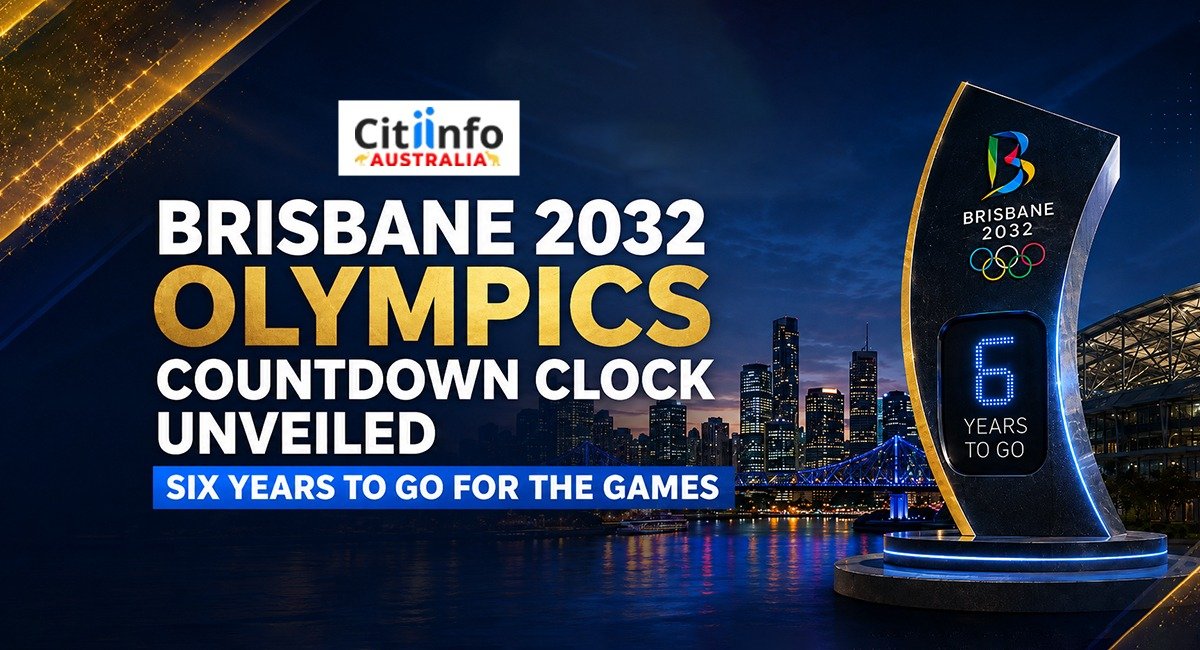
Brisbane has officially entered the six-year countdown to one of the world's biggest sporting events. On 23 July 2026, Brisbane City Council unveiled the official OMEGA Countdown Clock in Queen Street Mall, giving residents and visitors a daily reminder that the Brisbane 2032 Olympic and Paralympic Games are getting closer.
The ceremony brought together Lord Mayor Adrian Schrinner, Brisbane 2032 Organising Committee President Andrew Liveris, Deputy Premier Jarrod Bleijie, and Australian Olympic swimming champion Emma McKeon, marking a major milestone in the city's Olympic journey.
While the countdown clock symbolizes excitement and anticipation, it also shines a spotlight on the enormous amount of work still ahead. Major venue construction, transport upgrades, and infrastructure projects remain critical if Brisbane is to be fully prepared before the opening ceremony in 2032.
As reported by CitiInfo, the six-year milestone represents both a celebration and an important progress check for Queensland's biggest sporting project.
A Landmark Celebration in Queen Street Mall
The newly installed countdown clock has become an instant attraction in Brisbane's CBD. Located in the busy Queen Street Mall, it allows locals and tourists to watch the countdown in real time as Brisbane prepares to welcome athletes and visitors from across the globe.
During the launch, officials described the clock as more than just a timer—it is intended to inspire community participation while reminding everyone that preparations must continue at full speed.
For many Brisbane residents, the clock represents the city's transformation into an international sporting destination.
Read this blog - Brisbane Open House 2026: 93 Buildings, 16 Private Homes and a Rare Look Inside the City’s Hidden Architecture
What Still Needs to Be Built?
Despite the celebrations, significant construction work remains.
Current Olympic planning includes:
Seven brand-new competition venues
Ten major venue upgrades
New athlete facilities
Transport improvements
Public infrastructure projects
The most significant project is the proposed Victoria Park main stadium, expected to host the Opening and Closing Ceremonies along with major athletics events.
However, as of the six-year milestone, only the primary stadium contract has officially been awarded.
This means much of the Olympic infrastructure still needs to move from planning into construction.
Victoria Park Stadium Remains the Biggest Talking Point
The Victoria Park stadium continues to generate widespread public discussion.
Supporters believe the venue will become a long-term sporting and entertainment asset for Brisbane after the Games.
Critics, however, argue that construction costs are rising and question whether public funds could be better invested in hospitals, housing, education, and transport.
Environmental groups have also expressed concerns regarding development within Victoria Park, leading to ongoing community protests and public debate.
Despite differing opinions, government leaders maintain that the stadium remains central to Brisbane's Olympic vision.
Infrastructure Beyond the Stadium
The Olympic Games require far more than sporting venues.
Planning also includes improvements across:
Road networks
Rail connections
Public transport
Athlete villages
Community sporting facilities
Tourism infrastructure
Accessibility upgrades
Many of these projects are expected to deliver long-term benefits for Queensland residents well beyond 2032.
Economic Opportunities for Brisbane
Hosting the Olympic and Paralympic Games is expected to create significant economic opportunities.
Potential benefits include:
Thousands of construction jobs
Tourism growth
International investment
Small business opportunities
Hospitality expansion
Global exposure for Brisbane
Increased property development
Large international sporting events often leave lasting economic impacts when infrastructure projects are delivered successfully.
Can Brisbane Deliver on Time?
With only six years remaining, timelines are becoming increasingly important.
Large sporting venues typically require several years of planning, approvals, construction, testing, and operational readiness.
Experts suggest that delays during the next two years could place additional pressure on later stages of Olympic preparation.
Government agencies continue to state that planning remains on schedule despite public concerns.
Community Excitement Continues to Grow
For many Queenslanders, the countdown has created renewed excitement.
Schools, sporting clubs, volunteers, tourism operators, and businesses are already preparing for opportunities linked to Brisbane 2032.
The Games are expected to inspire a new generation of Australian athletes while placing Brisbane firmly on the global sporting map.
Looking Ahead to 2032
The unveiling of the official OMEGA Countdown Clock is a symbolic reminder that Brisbane's Olympic journey has entered a crucial phase.
The next six years will determine whether venue construction, transport upgrades, and infrastructure projects can be completed on schedule while balancing community expectations and government spending.
If successful, Brisbane has the opportunity to host one of Australia's most memorable Olympic Games and leave a lasting legacy for future generations.
Final Thoughts
The Brisbane 2032 Olympics countdown clock represents far more than a timer—it marks the beginning of the city's final preparation phase before welcoming the world. While excitement continues to build, attention now turns to delivering world-class venues, improving transport, managing project costs, and ensuring Brisbane is ready when the Olympic flame arrives in 2032.
For more Australian news, local events, business updates, and community stories, keep following CitiInfo for trusted coverage across Brisbane and beyond.